Stackable resin chairs: what makes seasonal storage easier
Outdoor chairs tend to create the biggest storage problem when the season ends. Tables can stay out under cover, cushions can go indoors, but a set of chairs takes up space in a way that feels out of proportion to its size. Stackable resin chairs solve that problem by turning several separate seats into one compact column. The benefit is simple, but the details matter if the goal is to protect the chairs and keep a patio, poolside, garden, or commercial space easy to manage between seasons.
What stackable outdoor chairs are
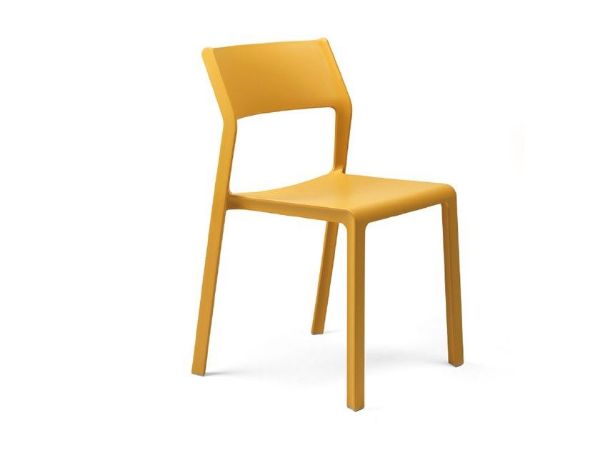
A stackable chair is shaped so one chair can sit partly inside or above another without forcing the frames against each other. With resin furniture, the design usually relies on moulded curves, tapered legs, and a seat profile that leaves just enough clearance for nesting. Some chairs stack straight up. Others need a slight angle because the backrests and arms are wider than the legs.
Resin is a practical material for this kind of design because it can be formed into smooth, consistent shapes. A moulded chair does not have separate joints that flex in the same way as some wood or metal frames. That consistency helps each chair settle into the next one predictably. It also makes cleaning simpler, which matters before storage because grit and leaves can scratch surfaces when chairs are pressed together.
Stackability is not the same as foldability. Folding chairs lie flatter, but they often have hinges and moving parts that collect dirt. Stackable chairs keep their normal shape and use vertical space instead. For many patios and dining areas, that is the easier trade. The chairs are ready to use as soon as they come out of storage, with no unfolding, no loose pieces, and no need to work through stiff joints.
How the stacking works
The key to a stable stack is contact at controlled points. The legs, seat edges, and back supports are designed to guide each chair into place. When lined up properly, the weight of the upper chairs rests on the chair below without putting heavy pressure on delicate edges. A good stack should feel settled rather than forced. If one chair rocks, twists, or sits much higher than the rest, the alignment is probably wrong.
Stacking capacity depends on the chair model and the conditions of storage. A chair may stack well in a covered patio corner but feel less secure in a shed where the floor is uneven. Commercial settings often need chairs to be moved quickly, so the shape of the stack and the weight of each chair become part of daily routine. Residential users may care more about fitting a set into a garage or under a porch roof.
Arms can change the stacking pattern. Armless chairs usually nest tightly because the seat and legs do much of the work. Chairs with arms need extra width and often stack at a slight offset. That does not make them poor storage choices, but it does mean the stack needs more clearance. The same applies to chairs with tall backs or decorative contours. Comfort features can be worth keeping, yet they can reduce how many chairs fit into the same footprint.
Resin surfaces also affect stacking. A slightly textured finish may grip more than a smooth one, which can be useful when chairs are outdoors but less helpful when sliding them into a precise stack. Dust, sand, and damp leaves can interfere with nesting. A quick clean before stacking protects the finish and helps the chairs sit evenly. Mild soap and a soft brush are usually enough for general dirt, especially when the chairs are cleaned before they are put away.
Why seasonal storage becomes simpler
The main advantage is space. A dining set that spreads across a patio during summer can become a narrow row of stacked chairs when the weather changes. That makes it easier to use a garage, shed, covered porch, or storage room for other items. It also reduces the number of trip hazards in tight areas, since there are fewer scattered legs and backrests to move around.
Stacking also makes handling more orderly. Chairs can be gathered in groups rather than carried one by one. For a large set, this changes the pace of cleanup. One person can usually manage a small stack with care, while heavier loads are better handled with help. The aim is not speed at any cost. Dragging stacked chairs across rough ground can scuff the outer surfaces or strain the legs, so short, controlled moves are safer.
Protection is another reason the design helps. When chairs are stacked neatly, the outer surfaces are less exposed to knocks from items stored nearby. The stack should still be kept dry and ventilated. Covering chairs while they are damp can trap moisture against the resin and any metal components that may be present in the setting. In damp climates or shaded gardens, air movement matters as much as shade. Protective covers can help against dust and UV exposure, but they should not press wet furniture into a sealed pile.
Seasonal storage also gives the chairs a chance to be inspected before the next use. A chair that has been stacked away should come out clean, stable, and free of cracks around high stress points. Any part that feels loose or damaged should be checked before the chair is loaded with weight. This is where replacement parts can matter. A worn foot, damaged support, or missing component may be easier to deal with than replacing the whole chair, especially when the rest of the set still matches.
For retailers and commercial spaces, serviceability is part of the broader topic of outdoor furniture replacement parts. Keeping a small number of suitable spare components on hand can extend the useful life of chairs that are otherwise in good condition. For homeowners, the same idea applies on a smaller scale. A single damaged chair does not always mean the entire set has reached the end of its use.
What to check before stacking
A few careful checks make a stack safer and easier to undo later:
- Remove loose dirt, sand, and leaves from the seat, legs, and backrest.
- Let the chairs dry fully if they have been exposed to rain or pool water.
- Line up each chair squarely, then lower it gently instead of dropping it into place.
- Stop adding chairs if the stack starts to lean or the legs no longer sit flat.
- Keep the stack away from sharp tools, heavy boxes, and areas where it may be knocked over.
The surface underneath is easy to overlook. A level floor helps the stack stay upright. Smooth concrete, decking, or shelving works better than soft soil or uneven paving. If the stack will remain in place for months, check it occasionally rather than assuming it will stay perfectly aligned. Weather, movement nearby, and settling can all change the balance.
It is also worth thinking about where the stack sits in relation to sunlight. Resin outdoor furniture is made for outdoor use, but long periods of UV exposure can affect appearance over time. A shaded storage spot reduces that exposure. Good airflow still matters, so a tightly wrapped stack in a hot shed is not ideal. The balance is to keep the chairs clean and out of harsh weather while allowing them to breathe.
When a stack is not the right answer
Stacking is useful, but it is not always the best storage method. Chairs with cushions need the cushions removed first, since trapped fabric can crease, hold moisture, and make the stack unstable. Very old chairs may have warped slightly, which can stop them nesting cleanly. In that case, forcing the stack can put stress on the legs or backrests.
Space also shapes the decision. A stack needs height as well as floor area. Low shelves, sloping ceilings, and overhead racks may limit how many chairs can be placed together. A shorter stack stored in two stable groups may be safer than one tall column that is difficult to reach. If getting the top chair down requires working at height, change the storage arrangement rather than stretching or climbing on unstable furniture.
Chairs that are cracked, brittle, or missing supports should not be stacked with the rest of the set. Damage can spread under weight, and a failing chair can drop the ones above it. Set those chairs aside for repair or recycling. If the damage is limited, matching component pieces may restore the chair. If the structure is compromised across several areas, replacement is the more sensible option.
Making the most of the design
Stackable outdoor chairs work because they turn storage into a repeatable routine. Clean the chairs, let them dry, align them carefully, and give the stack a stable place to rest. That routine protects the furniture, clears the patio, and makes the next season easier to start. The best storage setup is not necessarily the tallest stack. It is the one that keeps every chair easy to lift, inspect, and return to use.
For resin furniture, the value of stackability becomes clearer over repeated seasons. The chairs keep their shape, they take up less room, and problems are easier to spot before they turn into larger repairs. Whether the setting is a small garden, a busy pool area, or a commercial dining space, the same principle applies. Store the chairs with care, and the storage problem becomes much smaller than the furniture itself.
Ends · PATIOLIVINGNOTES